
Woodworm infestations are a persistent problem for homeowners, antique collectors, and anyone dealing with wooden structures. Traditional methods of treating woodworm, such as chemical insecticides and fumigation, often involve harmful chemicals, high costs, and labor-intensive processes. In recent years, microwave technology has emerged as an innovative, efficient, and environmentally friendly solution for eliminating woodworms.
Understanding Woodworm Infestations
Woodworms are the larvae of various wood-boring beetles, such as the common furniture beetle (Anobium punctatum). These larvae burrow into wooden structures, furniture, and floors, causing structural damage over time. Early signs of infestation include small exit holes www.shashel.eu, fine wood dust (frass), and weakened wood. Left untreated, woodworm can compromise the integrity of wooden beams, flooring, and antique furniture.
How Microwave Treatment Works
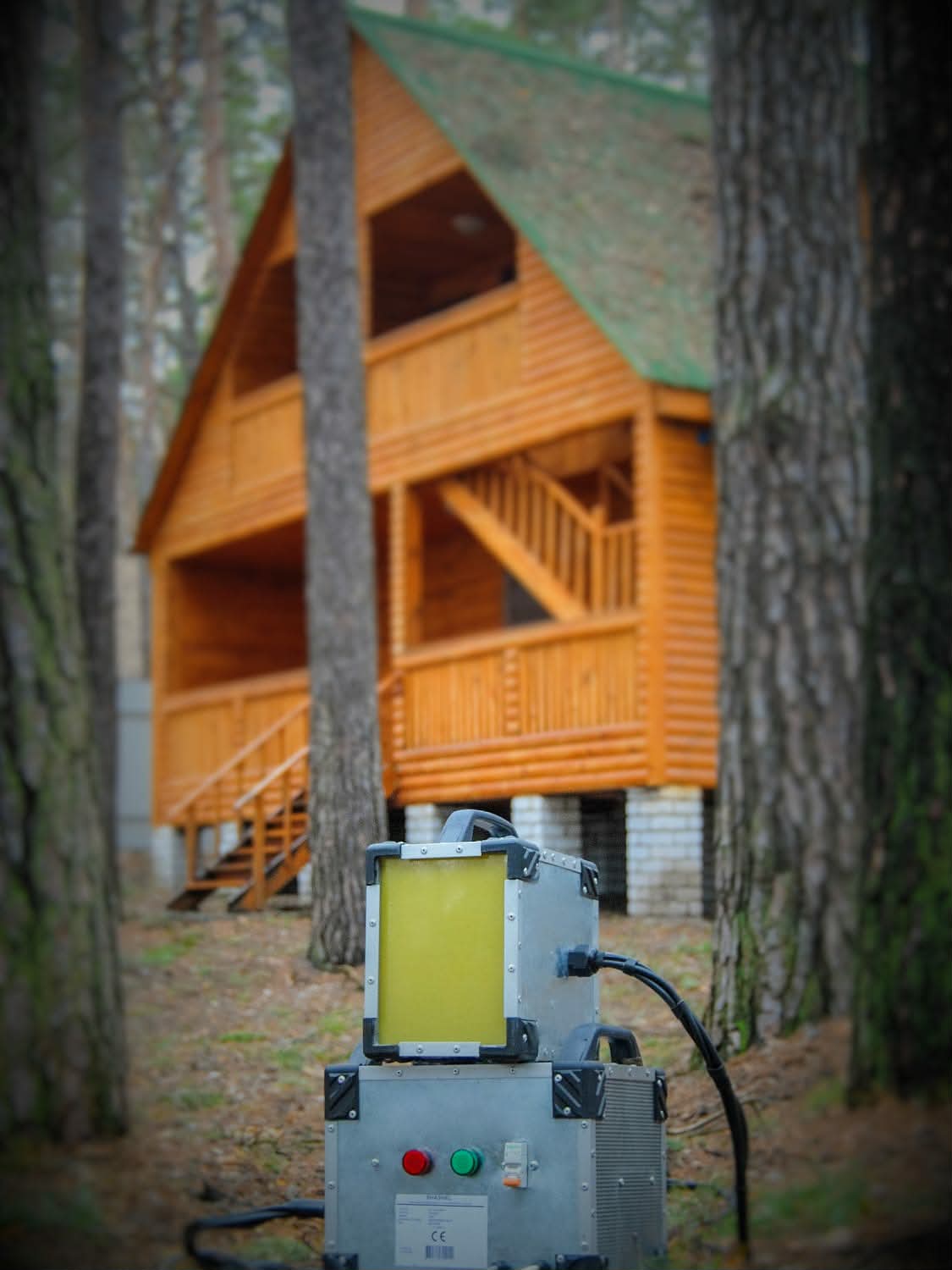
Microwave treatment involves using specialized microwave equipment to generate electromagnetic waves that penetrate the wood. These waves rapidly increase the temperature of the infested wood to levels lethal for woodworm larvae without damaging the wood itself. The heat kills the larvae inside the wood, including those deep within areas that are difficult to reach with traditional chemical treatments.
Microwave equipment for woodworm elimination typically consists of a microwave generator, applicator probes, and a monitoring system. The probes are positioned on or near the infested wood, and the microwave energy is applied in controlled doses. Temperature sensors ensure that the wood reaches the precise lethal temperature, usually around 55–60°C (131–140°F), for a sufficient period to eliminate all larvae.
Advantages of Microwave Equipment
-
Chemical-Free Treatment: One of the most significant benefits of microwave treatment is its eco-friendliness. Unlike chemical insecticides, it leaves no harmful residues and is safe for indoor use.
-
Precision and Effectiveness: Microwave equipment targets the woodworm larvae directly inside the wood, ensuring a complete eradication of the infestation. This precision reduces the risk of recurrence.
-
Minimal Structural Damage: Unlike fumigation or drilling methods, microwave treatment does not compromise the structural integrity of the wood. Furniture, beams, and antique pieces remain intact and undamaged.
-
Time Efficiency: Microwave treatment can often be completed within hours or days, depending on the severity of the infestation, which is faster compared to some chemical treatments that require multiple applications over weeks.
-
Non-Invasive: This method avoids messy treatments and does not require removing wood pieces or furniture from their location, making it ideal for heritage buildings and delicate antiques.
Applications and Limitations
Microwave equipment is suitable for treating furniture, wooden beams, flooring, and even large wooden structures. However, it requires trained operators to ensure proper application and prevent overheating, which could damage sensitive wood types. While highly effective against active infestations, it may not prevent future infestations, so ongoing monitoring and preventive measures, such as proper ventilation and moisture control, are recommended.
Microwave equipment for the elimination of woodworms represents a modern, efficient, and eco-friendly solution to a traditional problem. Its ability to precisely target larvae inside wood without chemicals or structural damage makes it an ideal choice for homeowners, conservators, and professionals in the woodworking industry. As technology advances, microwave treatment is likely to become a standard in wood preservation, offering a safe and reliable method for protecting wooden structures and furniture from woodworm damage.

No comment yet, add your voice below!